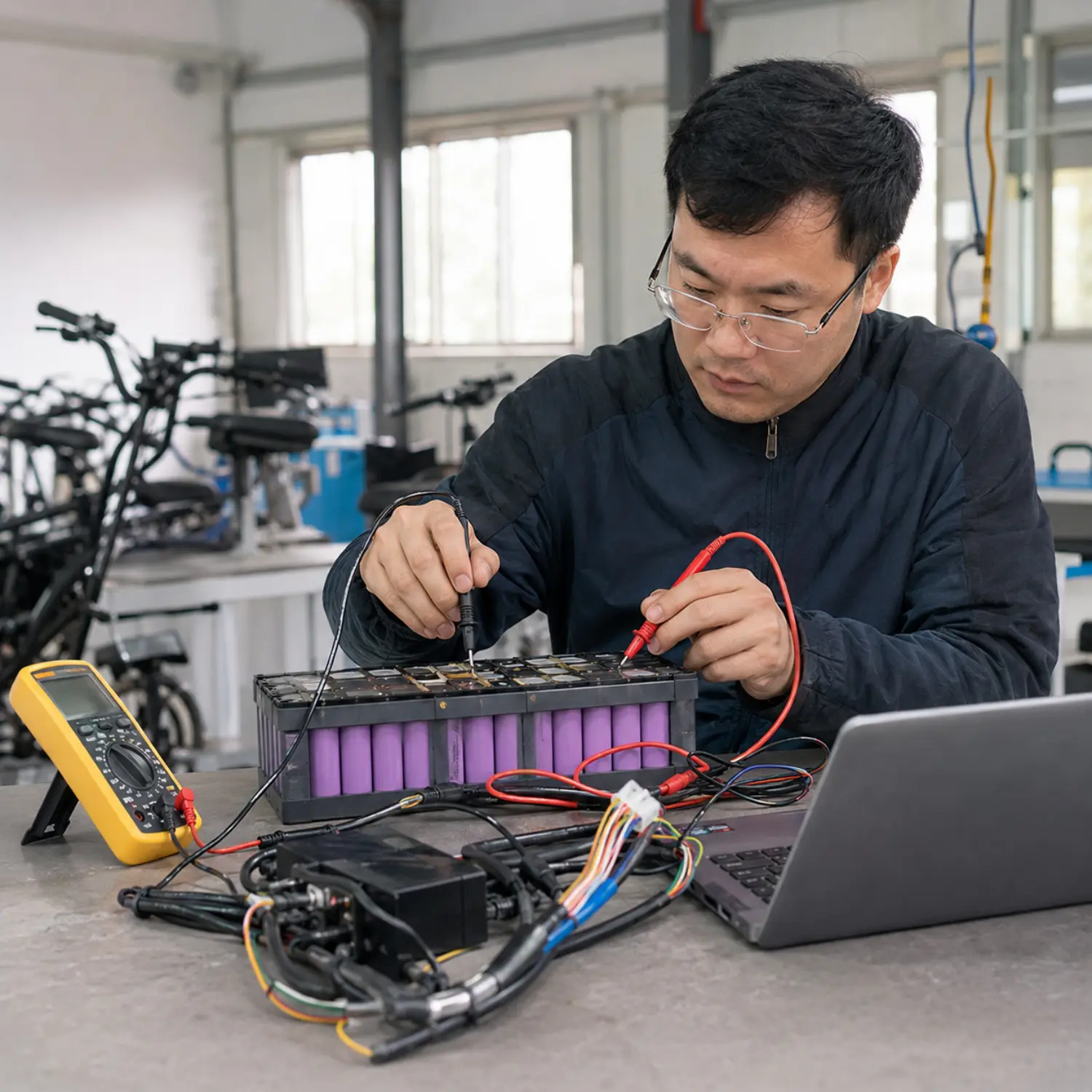
Engineering & Manufacturing

Engineering & Manufacturing Support for OEM / ODM Electric Bike Projects

DYNAbike supports electric bike brands, distributors, dealers and fleet buyers with product configuration discussion, frame structure review, electrical system matching, sample preparation, assembly workflow and production-ready manufacturing support.
Project Start Product Configuration
Mechanical Review Frame & Structure
System Matching Electrical Direction
Factory Preparation Assembly Workflow
Engineering Project Snapshot

What This Engineering & Manufacturing Page Helps Buyers Clarify

This overview works as a quick page guide for B2B buyers. It shows the main engineering and manufacturing topics that should be discussed before an OEM / ODM electric bike project moves toward production.

From Buyer Idea to Factory-Ready Project

Turning Buyer Requirements into a Clearer Manufacturing Discussion

B2B electric bike projects often start with a market idea, a product reference or a buyer requirement. DYNAbike helps organize those inputs into practical factory-side discussion points.

Project translation before production

We help translate buyer requirements into a clearer product and manufacturing discussion. The goal is to clarify product direction, configuration needs and manufacturing preparation before moving too quickly into sampling or batch production.

Process Role Requirement → Discussion → Preparation
01
Buyer Market

Understand buyer market and use case

Discuss destination market, buyer type, rider profile, road condition, product positioning and expected business scenario.

02
Product Platform

Confirm product category and platform

Review whether the project fits a fat tire, city, cargo, folding, shared, fleet or mobility-related product direction.

03
Configuration

Discuss key components and configuration

Clarify motor, battery, controller, brake, tire, display, lighting, rack and accessory direction based on the project.

04
Engineering Review

Review structure, battery and electrical layout

Discuss frame structure, battery placement, cable routing, controller location, service access and assembly feasibility.

05
Sample Direction

Prepare sample or production direction

Align sample configuration, branding direction, appearance details, functional review points and packaging discussion.

06
Factory Preparation

Move toward manufacturing preparation

Prepare assembly workflow, component planning, inspection direction, packaging method and shipment-related discussion.

Input Buyer market, use case and product expectation
Discussion Platform, configuration, structure and system matching
Output Clearer sample, production and manufacturing preparation direction
DYNAbike electric bike product platform selection for OEM ODM projects
Platform Selection

Different B2B buyers may need different electric bike platforms.

Buyer Side Market, rider and use case
Factory Side Platform, configuration and production direction
Product Platform Selection

Selecting the Right Platform Before Configuration Discussion

Not every B2B buyer should start from the same electric bike model. DYNAbike helps discuss which product platform may be more suitable based on market, rider type, road condition, price segment and shipment plan.

Market Destination
Rider User Type
Road Use Condition
Price Segment
Shipment Order Plan

Typical buyer scenarios

Choose direction before BOM

Dealer Product Line

Dealers may need a platform that matches local retail pricing, showroom appeal, spare parts and repeat-order planning.

Fleet Operation

Fleet projects usually require discussion around durability, service access, maintenance planning and consistent configuration.

Shared Mobility

Shared mobility platforms may need smart lock direction, fleet hardware space, anti-theft thinking and maintenance-friendly design.

Delivery Use

Delivery-oriented projects may need cargo capacity, rack structure, battery range direction and practical service planning.

Senior Mobility Channel

Senior mobility buyers may focus on riding stability, easy access, comfort, simple operation and after-sales preparation.

Private Label Brand

Private label projects may need a platform that supports branding, packaging direction, configuration positioning and product line planning.

Platform selection comes before detailed BOM decisions. A clearer product platform helps buyers and the factory discuss configuration, structure, packaging and production preparation more efficiently.

BOM & Component Configuration Discussion

Clarifying Electric Bike Components Before Production Direction

Electric bike BOM decisions affect cost, performance, service, packaging and buyer positioning. DYNAbike helps buyers discuss key component direction before sample preparation or mass production planning.

Buyer decisions before BOM confirmation

These component topics help buyers clarify what needs to be discussed before confirming a sample direction or production configuration.

Component Matrix
Power Motor Direction

Discuss motor direction according to rider use case, road condition, legal market needs and expected riding performance.

Energy Battery Capacity Direction

Review battery capacity direction together with range expectation, frame space, charging needs, service access and shipment consideration.

Control Controller and Display

Discuss controller matching, display type, riding mode direction and interface needs based on the product positioning.

Safety Brake System

Review brake system direction according to product weight, riding scenario, target market expectation and service planning.

Riding Tire and Wheel Size

Discuss tire and wheel size around road condition, rider comfort, product appearance, packaging size and market preference.

Utility Lighting and Accessories

Clarify lighting, horn, fenders, kickstand, mirrors or other accessories based on buyer channel and use case.

Comfort Suspension and Fork

Discuss fork and suspension direction according to comfort needs, terrain type, model category and price segment.

B2B Add-ons Cargo Rack or Fleet Accessories

Review rack, basket, fleet hardware, smart lock space or service parts direction for delivery, rental or shared mobility projects.

BOM discussion is not only about choosing parts. It connects buyer market needs with electric bike performance, price segment, assembly workflow, packaging method and future service preparation.

Frame Structure and Mechanical Engineering Discussion

Reviewing Frame Structure Around Real Product Use

Frame structure should be reviewed together with product positioning, rider use case, battery placement and manufacturing feasibility. This helps buyers discuss the model direction before sample or production planning.

Mechanical structure is not only about frame shape.

In an OEM / ODM electric bike project, structure discussion should connect riding scenario, component installation, battery space, cable routing, cargo needs and factory-side assembly preparation.

Review Logic Use Case → Structure → Assembly
01
Geometry

Frame Geometry Discussion

Review frame shape, riding posture, model category and visual positioning for the target buyer channel.

02
Battery

Battery Mounting Space

Discuss battery placement, enclosure direction, service access and available space inside the product structure.

03
Wiring

Cable Routing Direction

Review wire path direction around handlebar, controller, battery, motor and lighting connection needs.
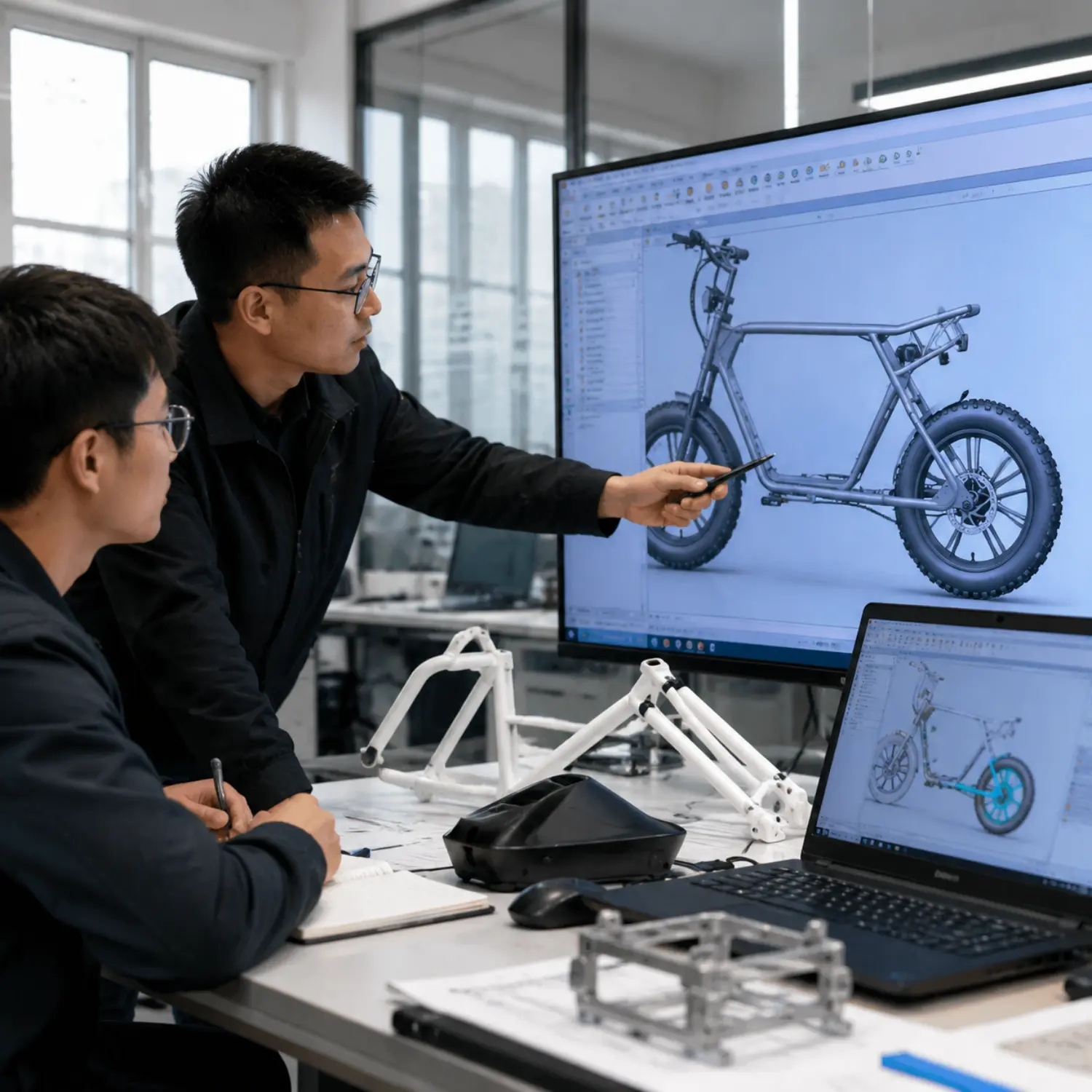
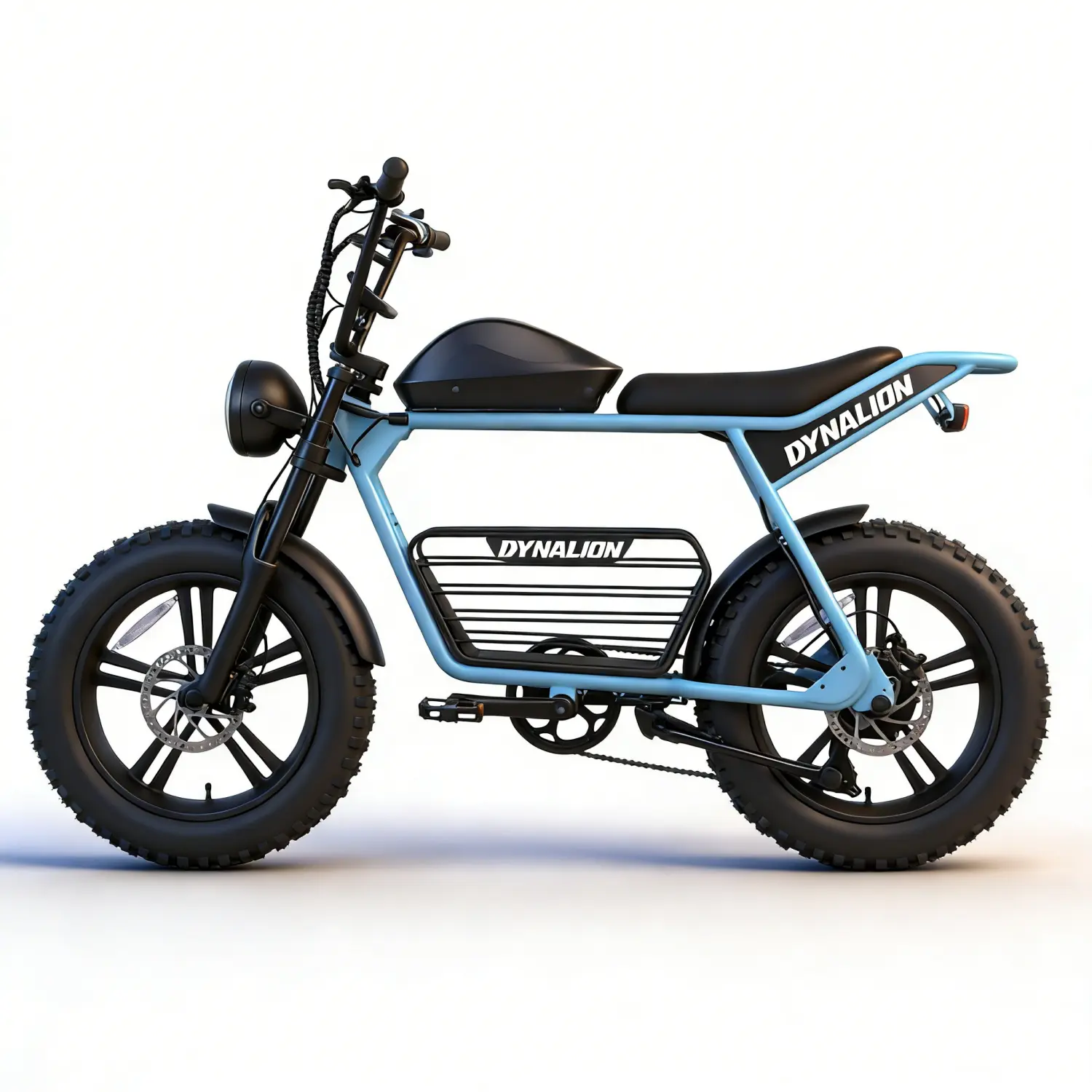
DYNAbike electric bike frame structure and mechanical engineering discussion
Mechanical Structure Map

Review product structure before detailed production preparation.

Project-based review: the frame direction should match the buyer's product positioning, rider use case, battery layout, component installation needs and manufacturing preparation.

04
Riding

Fork and Suspension Matching

Discuss fork and suspension direction according to terrain, comfort need, model category and price segment.

05
Utility

Rear Rack or Cargo Structure

Review rear rack, cargo support, basket space or fleet hardware direction for delivery and B2B use cases.

06
Assembly

Assembly Accessibility

Discuss whether key components can be installed, adjusted, inspected and serviced efficiently during production.

Structural review before production: frame geometry, battery mounting space, cable routing, rear structure and assembly accessibility should be clarified before sample confirmation or batch manufacturing preparation.

Before Production Structure Direction Review
Electrical System Matching

Matching Electric Bike Systems Before Production Configuration

Electrical system matching is not only about choosing parts. Motor, controller, display, battery, wiring and safety-related interfaces should be discussed together according to the product use case.

Electrical matching connects riding performance with factory preparation.

DYNAbike supports discussion around motor direction, controller matching, display options, wiring harness direction, lighting, brake cut-off and fleet-related electrical interface needs.

Matching Logic Power + Control + Interface
01 Power Matching

Motor and Controller Direction

Discuss motor and controller direction according to rider use case, riding feel, road condition and target market needs.

02 Interface

Display and Throttle / PAS Options

Review display type, throttle direction, pedal assist sensor needs and user interface expectations for different buyer channels.

03 Lighting

Lighting and Horn

Clarify headlight, tail light, brake light, turn signal or horn direction based on product category and market expectation.

Core Electrical System

Motor + Controller + Display + Battery

Motor Power Direction
Controller System Matching
Display User Interface
Battery Energy Supply

Matching matters: electrical components should be discussed as a connected system, not as separate parts selected in isolation.

04 Safety Interface

Brake Cut-Off

Discuss brake cut-off direction and related electrical interface needs according to brake system and product configuration.

05 Wiring

Wiring Harness Direction

Review wiring harness direction around battery, controller, motor, display, lighting and service access points.

06 Fleet Direction

Fleet or IoT Electrical Interface

For fleet or shared mobility projects, discuss smart lock, GPS, IoT hardware space and electrical interface direction.

Electrical matching should follow the project direction. Different markets, rider types, product categories and fleet needs may require different motor, controller, display, wiring and interface discussions.

Engineering Focus Connected System Discussion
Battery Layout and Integration Review

Reviewing Battery Integration Around Product Structure and Service Needs

Battery layout discussion should focus on the actual product structure, rider use case, service access, charger matching and shipment preparation. Compliance depth is covered separately on the Battery Safety page.

Battery review is an engineering discussion before production.

DYNAbike supports battery layout review, direction and discussion based on product category, frame space, charging needs, maintenance thinking and shipment requirements.

Careful Scope Layout Review, Not Certification Claim
Column 01

Battery Layout

DYNAbike electric bike battery layout and integration review
Battery Integration

Layout direction should match frame structure, rider use case and assembly feasibility.

01
Position Battery Position

Discuss whether the battery location fits the frame structure, riding balance, product appearance and service needs.

02
Structure Battery Cover or Enclosure

Review cover or enclosure direction around installation space, protection thinking, appearance and assembly access.

03
Charging Charging Port Direction

Discuss charging port position, user convenience, cable access and the relationship with frame and battery housing.

04
System BMS Direction

Review BMS-related direction based on battery pack needs, product configuration and safe-use communication requirements.

Column 02

Service & Shipment Considerations

05
Maintenance Service Access

Discuss whether the battery area allows practical inspection, replacement direction, wiring access and after-sales service planning.

06
Charging Charger Matching

Review charger matching direction around battery pack needs, plug direction, target market use and buyer requirements.

07
Shipment Transport and Packaging Consideration

Discuss packaging method, battery-related document direction and shipment preparation according to order and destination needs.

Information needed for service and shipment discussion

Clear project information helps the factory review battery service access, charger matching and shipment preparation more accurately.

Battery Type Removable or fixed
Charging Plug and charger direction
Order Mode Complete bike, SKD or CKD
Destination Market and shipment needs
Related Page Learn More About Battery Safety

Battery Safety page: deeper battery pack direction, charger discussion, safe-use communication and market-related document topics are explained separately.

Careful project wording matters. This section discusses battery layout and integration review from an engineering perspective. Final battery, transport and compliance requirements should be confirmed according to the actual product configuration, shipment method and destination market.

Smart Lock, IoT and Fleet Direction

Engineering Discussion for Shared Mobility and Fleet Projects

Shared electric bike, rental and fleet projects often need extra discussion around smart lock direction, IoT interface, durability, maintenance and spare parts planning.
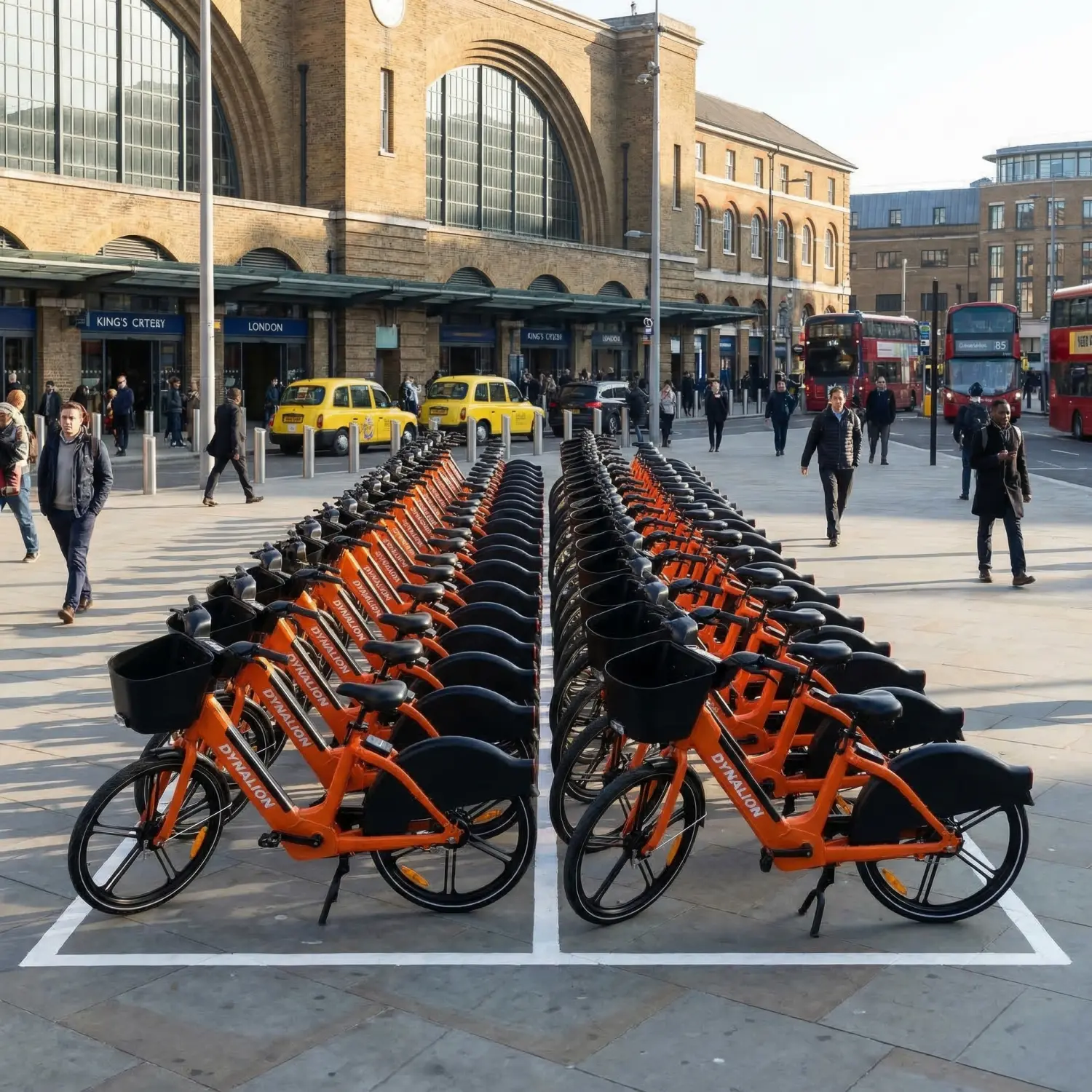
DYNAbike shared electric bike fleet IoT direction discussion
Fleet Engineering Use Cases

Fleet projects need practical hardware and maintenance discussion, not only product appearance.

Scenario Shared mobility operation
Hardware Lock, wiring and interface direction
Service Maintenance and spare parts planning
01 Lock Direction

Smart Lock Direction

Discuss smart lock mounting space, lock type direction, anti-theft thinking and the relationship with frame and rear structure.

02 Interface

GPS or IoT Interface Discussion

Review GPS or IoT hardware space, power interface direction, wiring path and access needs based on the buyer's operation plan.

03 Operation

Fleet Operation Needs

Discuss operation frequency, rider behavior, parking environment, maintenance cycle and configuration consistency.

04 App Hardware

QR Code or App-Related Hardware Discussion

Review QR code plate position, device mounting area and user-facing hardware details for rental or shared mobility projects.

05 Durability

Shared Mobility Durability Concerns

Discuss frame area, lock area, cable exposure, parking damage risk and component selection direction for higher-use scenarios.

06 Service

Maintenance and Spare Parts Direction

Review replaceable parts, service access, spare parts preparation and maintenance-friendly structure for fleet operation.

Fleet direction should be discussed early. Smart lock, GPS or IoT interface, QR code hardware, durability concerns and spare parts direction may affect frame structure, electrical layout, assembly workflow and after-sales preparation.

Careful Positioning Project Direction Discussion
Sample Preparation and Pre-Production Review

Reviewing Sample Details Before Batch Production Discussion

Sample preparation gives B2B buyers and the factory a practical stage to review configuration, appearance, riding function, assembly feedback and adjustment direction before production preparation.

Pre-production review helps reduce misunderstanding before batch production.

DYNAbike supports a project review process around sample configuration, branding details, riding function, assembly feedback, packaging direction and pre-production adjustment.

Review Logic Sample Check → Feedback → Adjustment
01
Gate One

Sample Confirmation

Confirm whether the physical sample matches the discussed product direction before moving into wider production planning.

Configuration Sample Configuration Confirmation

Review motor, battery, controller, brake, tire, display and accessory direction against the agreed sample plan.

Component Check BOM Direction
Appearance Appearance and Branding Review

Discuss color, logo placement, label direction, surface details and overall product appearance based on buyer positioning.

Logo Direction Color Review
02
Gate Two

Function Feedback

Review how the sample behaves in real use and whether assembly-related feedback should be recorded before adjustment.

Function Riding Function Review

Review riding feel, braking response, display operation, lighting, horn, throttle or PAS direction according to the sample setup.

Riding Feel System Check
Assembly Assembly Issue Feedback

Record assembly-related feedback such as cable routing, fitting space, installation access or component adjustment needs.

Cable Path Fit Review
03
Gate Three

Production Preparation

Clarify what needs to be adjusted or prepared before the project moves toward manufacturing and shipment discussion.

Packaging Packaging Direction

Discuss carton direction, protection points, SKD / CKD needs, accessory packing and shipment preparation requirements.

Carton Direction SKD / CKD
Adjustment Pre-Production Adjustment

Clarify what should be adjusted, confirmed or reviewed again before production preparation moves forward.

Adjustment List Next Step

Review record before production discussion

A practical review record helps both sides keep the project direction clear before batch order preparation.

Project Record
Keep Items confirmed on the sample
Adjust Items that need modification discussion
Prepare Packaging and production preparation points
Review Again Open questions before production direction

Pre-production review helps reduce misunderstanding before batch production. Final production details should still be confirmed according to the actual order configuration, buyer requirements and manufacturing preparation status.

Assembly Workflow and Manufacturing Preparation

Preparing Assembly Workflow Before Batch Manufacturing

After sample and configuration discussion, manufacturing preparation focuses on workstation planning, assembly sequence, component handling, tools and packaging direction.
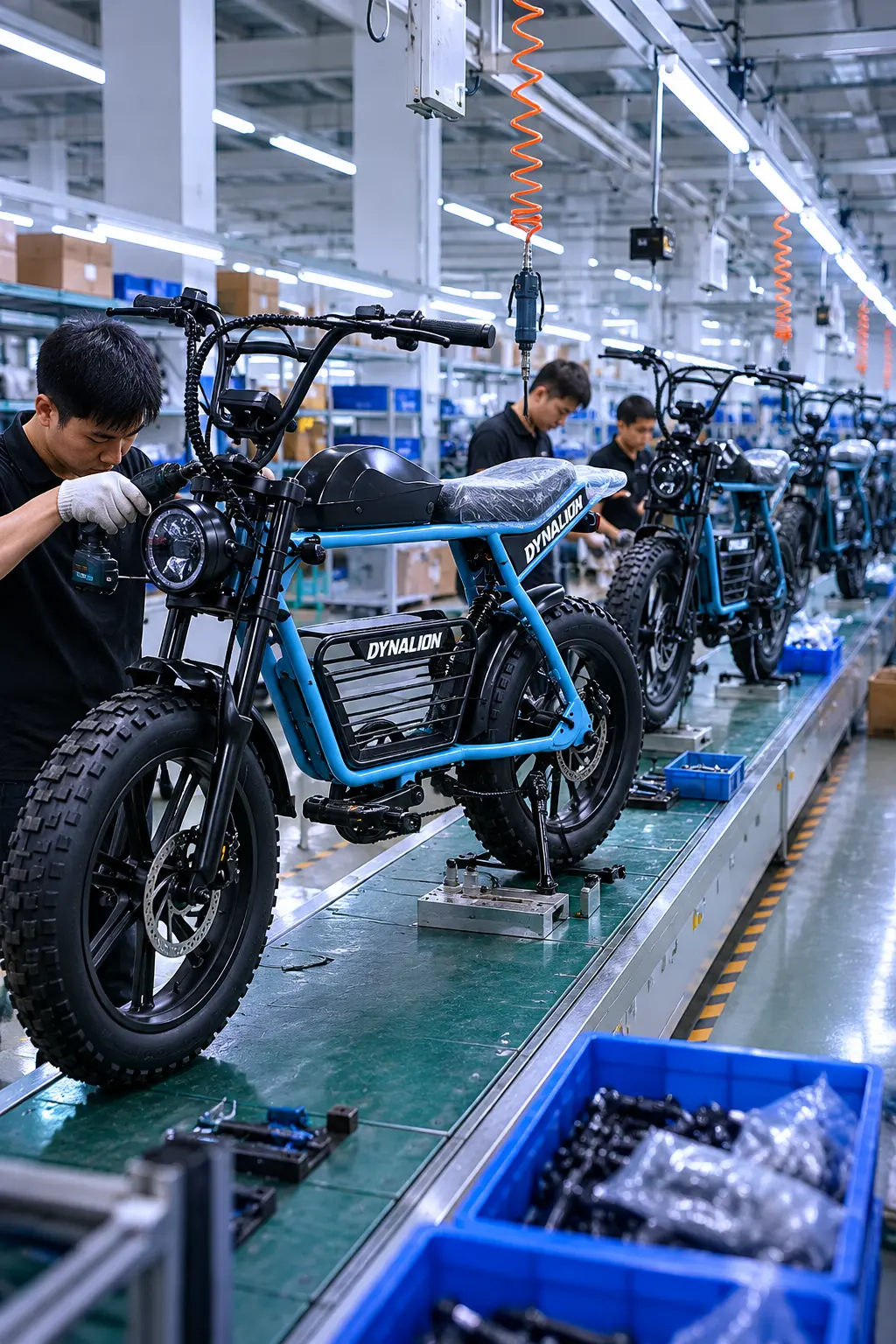
DYNAbike electric bike factory assembly workflow and manufacturing preparation
Production Preparation Board

Assembly workflow should be prepared around real product configuration and factory operation.

Before Assembly Components, tools and workstation direction
Before Shipment Packaging method and order preparation

Production preparation items

The goal is to make the production discussion clearer before batch manufacturing starts, without making unsupported claims about automation or identical output.

Preparation Board
01
Workstation Workstation Preparation

Discuss workstation layout according to model size, assembly steps, tools, parts flow and operator access.

02
Sequence Assembly Sequence

Clarify assembly order for frame, battery, motor, controller, brake, wheel, display and accessories.

03
Tools Tool and Fixture Discussion

Review tool and fixture direction based on product structure, installation needs and repeat assembly tasks.

04
Components Component Receiving and Sorting

Prepare component sorting direction so key parts can be checked, staged and matched with the order configuration.

05
Instruction Assembly Instruction Direction

Discuss assembly instruction points for wiring route, torque-related steps, accessory installation and packing sequence.

06
In-Process In-Process Review

Review key assembly points during production preparation while leaving detailed quality control depth to the QC page.

07
Packaging Final Packaging Preparation

Prepare carton direction, accessory packing, protection points and SKD / CKD discussion before shipment planning.

Input Confirmed sample direction and order configuration
Preparation Workstation, sequence, tools and component flow
Output Manufacturing preparation and packaging direction

Manufacturing preparation is different from quality control claims. This section explains production preparation thinking. Detailed inspection, testing and quality-related workflow can be reviewed on the Quality Control page.

Careful Scope Preparation, Not Guarantee
Packaging, SKD / CKD and Shipment Planning

Planning Packaging Around Order Mode and Shipment Needs

Packaging is part of the manufacturing discussion for B2B electric bike orders. Complete bike, SKD and CKD projects may require different carton, protection, accessory and spare parts preparation.
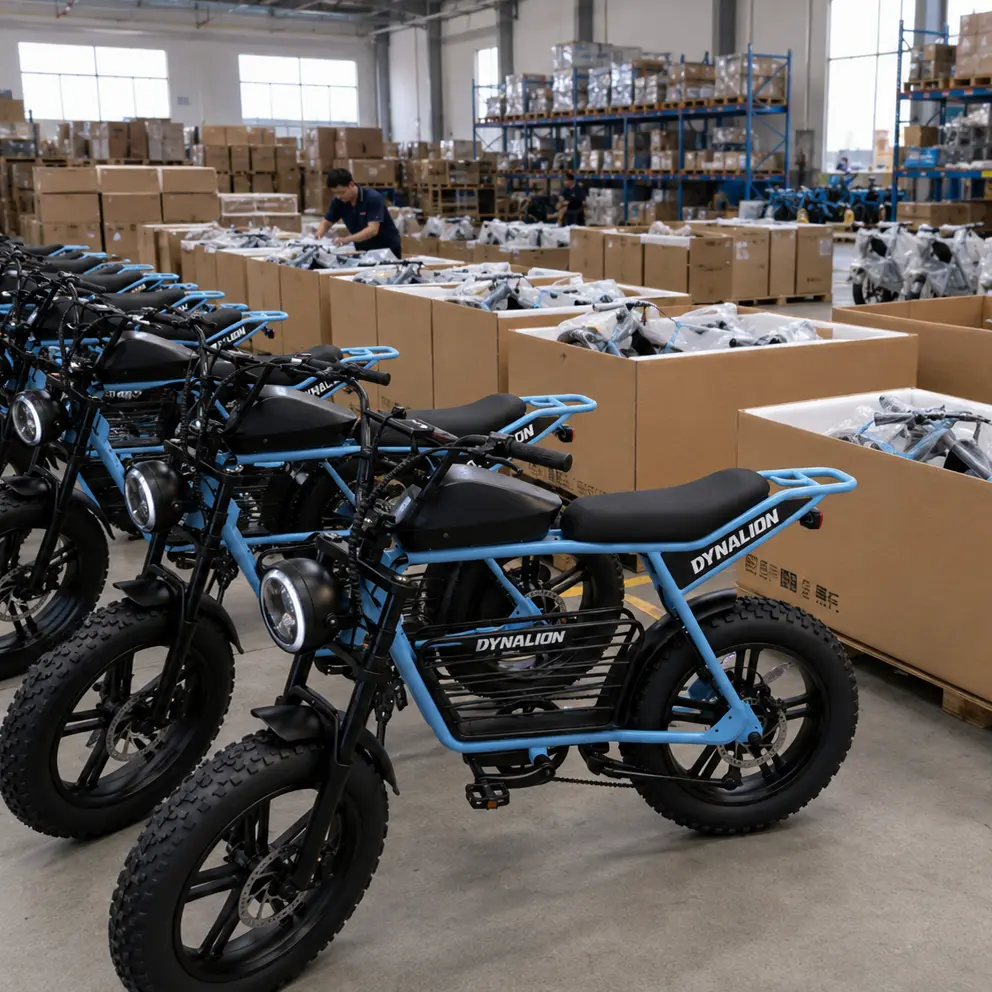
DYNAbike electric bike packaging shipment planning for SKD CKD and complete bike orders
Packaging Decision Map

Different order modes need different packaging and shipment planning discussions.

Practical Goal

DYNAbike supports packaging discussion and protection planning to reduce transit damage risk based on product structure, order mode and shipment direction.

Packaging planning should follow the order mode.

A complete bike order, SKD packing project or CKD assembly support direction may require different carton structure, loading discussion, accessory box, spare parts kit and after-sales preparation.

Planning Logic Order Mode → Packing Method → Shipment Prep
Order Mode 01

Complete Bike Packaging

Suitable for buyers who need more finished assembly from the factory side and a clearer retail or dealer receiving process.

Complete bike carton direction Discuss carton size, protection points and accessory placement.
Container loading direction Review loading direction according to order quantity and carton dimensions.
Protection planning Discuss frame, wheel, handlebar, display and battery-area protection.
Order Mode 02

SKD Packing Discussion

Suitable for buyers who need semi-knocked-down packing direction, local final assembly or improved shipment planning.

SKD packing structure Discuss which parts remain assembled and which parts are packed separately.
Accessory box direction Prepare charger, pedals, tools, manuals, small parts and labels by order needs.
Local assembly planning Discuss final assembly steps that may be handled by the buyer or local partner.
Order Mode 03

CKD Assembly Support Direction

Suitable for projects where the buyer needs more local assembly work, parts organization and assembly support discussion.

CKD parts organization Discuss parts grouping, labeling direction and assembly sequence support.
Assembly support direction Discuss assembly instruction points, tool needs and local workflow preparation.
Spare parts and after-sales kits Prepare spare parts direction based on buyer channel and service plan.

Packaging planning should be discussed before shipment preparation. DYNAbike supports packaging discussion, carton protection, SKD / CKD direction, container loading review and spare parts planning to help reduce transit damage risk through practical protection planning.

How Engineering Connects with Quality Control

From Engineering Discussion to Quality Review and Shipment Readiness

Engineering decisions become clearer review references for component inspection, assembly checking, battery and electrical review, packaging preparation and shipment-related quality discussion.

Engineering direction should connect with the factory quality workflow.

Specification confirmation, component direction, assembly review, battery and electrical discussion, and packaging planning help build a clearer path from engineering review to quality control and shipment preparation.

Content Cluster Engineering → QC → Shipment

Factory & Quality content cluster

These related pages help buyers understand DYNAbike's factory-side project support from engineering discussion to quality review, battery safety direction and compliance-related preparation.

Internal Links
Engineering & Manufacturing FAQ

Questions About OEM / ODM Electric Bike Engineering

These answers help buyers understand how DYNAbike supports electric bike platform discussion, component direction, structure review, SKD / CKD planning, fleet project direction and factory-side preparation.

Frequently asked questions

Clear answers help buyers understand what can be discussed before production and how engineering connects with factory preparation.

FAQPage Schema Included
01

Does DYNAbike support OEM electric bike engineering discussion?

+

Yes. DYNAbike supports OEM electric bike engineering discussion around product platform, component direction, frame structure, battery layout, electrical system matching, sample review, assembly preparation and packaging planning.

02

Can DYNAbike help select an electric bike platform?

+

Yes. DYNAbike can discuss electric bike platform direction based on target market, rider type, road condition, product category, price segment, order mode and buyer channel.

03

What components can be discussed before production?

+

Buyers can discuss motor direction, battery capacity direction, controller, display, brake system, tire size, fork or suspension, lighting, accessories, rear rack, smart lock space and other project-related component needs before production preparation.

04

Does DYNAbike support frame structure and battery layout review?

+

Yes. DYNAbike supports frame structure and battery layout review from an engineering discussion perspective. This may include frame geometry, battery mounting space, cable routing, charging port direction, service access and manufacturing feasibility.

05

Can DYNAbike support SKD or CKD electric bike assembly planning?

+

Yes. DYNAbike can discuss SKD packing direction, CKD assembly support direction, parts organization, accessory box preparation, local assembly needs, packaging method and shipment planning. You can also review the SKD / CKD Assembly Support page.

06

How does engineering discussion connect with quality control?

+

Engineering discussion helps clarify specifications, component direction, assembly sequence, battery and electrical system direction, and packaging planning. These details can become clearer references for later inspection and quality review. You can learn more on the Quality Control page.

07

Can DYNAbike support fleet or shared electric bike project direction?

+

Yes. For shared electric bike, rental and fleet projects, DYNAbike can discuss smart lock direction, GPS or IoT interface needs, QR code or app-related hardware space, durability concerns, maintenance access and spare parts direction.

08

How can I start an OEM / ODM electric bike manufacturing project?

+

You can start by sharing your target market, product category, rider use case, expected configuration, branding needs, order mode, shipment destination and any sample or reference requirements. DYNAbike can then discuss platform direction, engineering review items and manufacturing preparation steps.

FAQ content helps buyers and search engines understand the page structure. This section connects OEM / ODM electric bike engineering, platform discussion, component matching, SKD / CKD assembly planning, fleet direction and factory quality preparation.

SEO / GEO FAQPage Structured Data
Project Intake Dashboard

Discuss Your Electric Bike Manufacturing Project with DYNAbike

Share your product category, target market, expected quantity and configuration direction. DYNAbike can review your project from a factory engineering and manufacturing preparation perspective.

Prepare these details before contacting us

Clear information helps DYNAbike understand your electric bike OEM / ODM project faster and provide more practical discussion points.

Project Brief Checklist
01
Product Electric bike category or reference model
02
Market Target country, rider type and use case
03
Quantity Sample, trial order or batch quantity
04
Configuration Motor, battery, brake, tire and accessories
05
Branding Logo, color, label or private label needs
06
Order Mode Complete bike, SKD, CKD or fleet project
07
Shipment Destination market and packaging consideration
OEM / ODM Factory-side manufacturing discussion
Engineering Product configuration and structure review
Quality Link Connect preparation with quality review
Shipment Packaging, SKD / CKD and order planning